The most underestimated step in stainless steel export is classification. The HS code determines tariffs, anti-dumping duties and whether a license is required, andthe same shipment declared as a "coil" or as a "plate" may face a duty rate that differs by as much as double.
Common Codes (First 6 Digits Internationally Recognized)
| Product | HS Code | Notes |
|---|---|---|
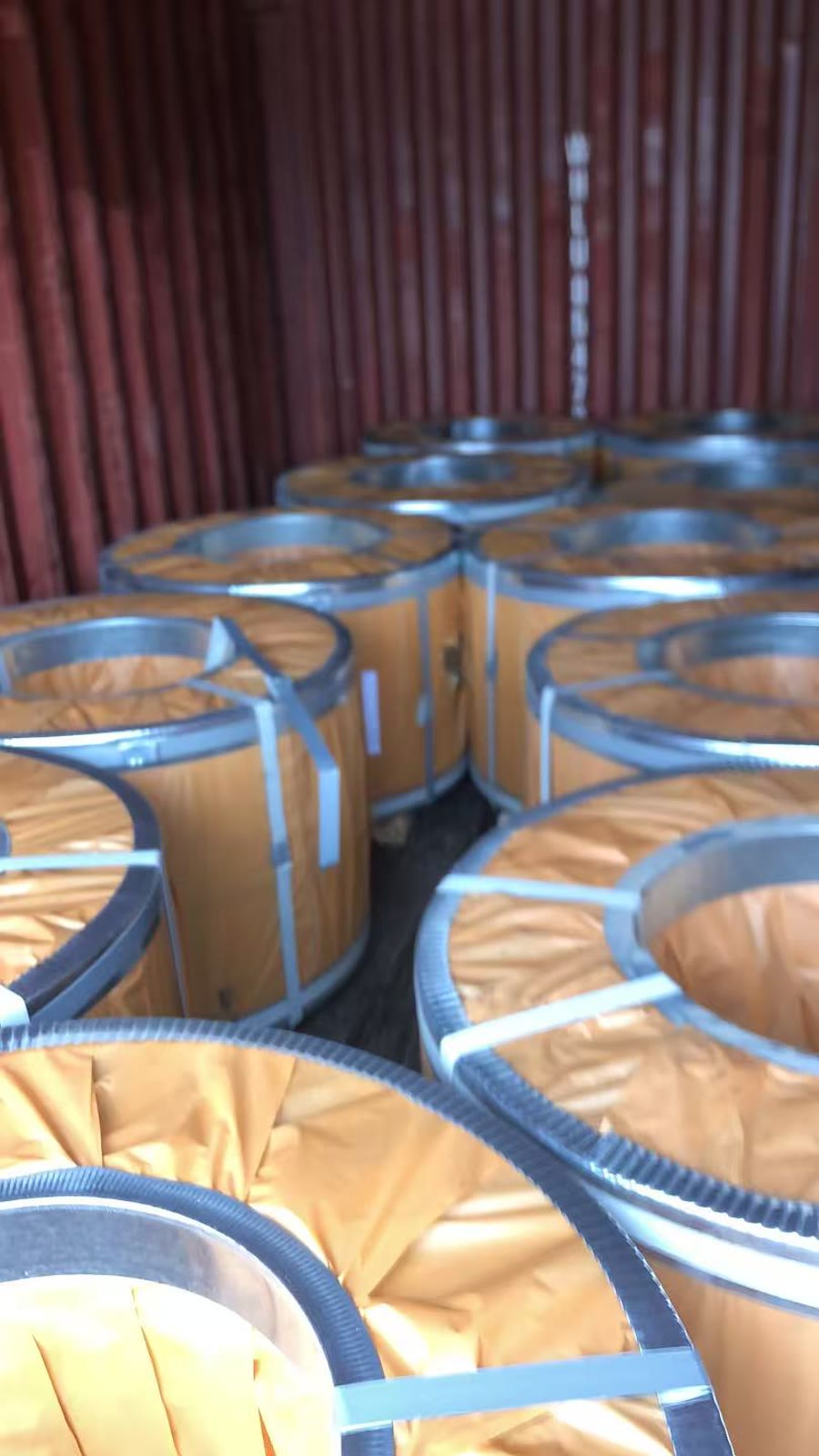
| Hot-rolled stainless steel coil (width ≥600 mm) | 7219.1x | Classified by thickness |
| Cold-rolled stainless steel coil (width ≥600 mm) | 7219.3x | Classified by thickness |
| Cold-rolled stainless steel plate (not coiled, width ≥600 mm) | 7219.3x / 7219.4x | Coiled and uncoiled are classified separately in some customs tariffs |
| Stainless steel narrow strip (width <600 mm) | 7220.xx | Common for slit strip |
| Stainless steel discs / special shapes | 7326.90 or per product classification | Depends on the degree of processing; confirm with your customs broker |
Three Common Pitfalls
- Confusing "coil" and "plate" in the declaration: Declaring uncoiled plates as coils will trigger additional duties when anti-dumping is verified. Declaration items must be updated before and after uncoiling.
- Certificate of Origin not matching the product name on the invoice: The product name on the CO must match the commercial invoice and bill of lading, otherwise the shipment will be rejected at clearance at the destination port. Form A / Form E have more detailed completion requirements.
- Ignoring anti-dumping measures and CBAM in the destination country: The EU has anti-dumping measures on certain stainless steel products, and during the CBAM transitional period embedded carbon emissions must also be reported. Confirm the current measures in the destination country before shipping.
What We Can Provide: Mill test certificate EN 10204 3.1 accompanying the shipment (including heat number and chemical composition), commercial invoice and packing list, certificate of origin (CO / Form A / Form E), and a declaration items sheet prepared to the destination country's requirements. If third-party inspection (SGS / BV / Intertek) is required, it is arranged before shipment.
We recommend telling us the destination country and trade terms (FOB / CIF / CFR) at the inquiry stage; we will tailor the document list to the usual practices at the destination port to reduce supplementary documents after arrival.